How To Modernise Without Rebuilding Everything
Start with one workflow, not one big project.
Why the organisations making real progress skip the programme and begin somewhere specific.
The Pattern
Leadership wants to modernise. The business case makes sense. The pressure is real.
And then nothing happens.
Not because people aren't willing. But because the conversation almost always starts in the wrong place.
Someone says "transformation." Someone else hear "two-year programme." A steering committee forms.
A roadmap is produced. A budget is debated.
And the original problem, the one started the conversation — is still sitting there unsolved.
| The plan to modernise everything is usually the thing that modernise nothing.
Why the instinct to go big works against you
When a system has been running for a long time, it accumulates complexity. Workarounds. Customisations that made sense years ago. Integrations nobody fully documented. Approval chains that doubled in length without anyone deciding they should.
When you look at all of that together, it feels like everything needs fixing. They carry more risk. They're harder to course-correct. And they often spend the first twelve months building infrastructure that users won't see or feel.
The organisations that actually make progress tend to start somewhere specific. Not a department. Not a system. One workflow.
What makes a good starting workflow
1. Painful enough to matter
Not a minor inconvenience buried three levels deep. Something that creates friction regularly, for people who matter to the business.
4. Real enough to teach you something
A controlled proof-of-concept won't give you the signal you need. Run it in a live environment, with real data and real users.
2. Contained enough to move
A workflow with fifteen dependencies and four system owners is not a starting point. Tight scope. One clear owner. Deliverable within weeks, not quarters.
3. Visible enough to build confidence
The goal isn't just fixing the workflow. It's proving that change is possible without the whole organisation stopping to accommodate it.
What one workflow teaches you that no plan can
You can document the current state process. You can map the system dependencies. You can interview stakeholders and run gap analysis.
What you cannot know in advance is how your users will respond to a changed interface. Whether your data quality assumptions hold up. Where the informal workarounds live that nobody thought to mention in the requirement sessions. Which approvals will move fast and which ones will stall unexpectedly.
One workflow, properly selected and delivered, surfaces all of that — while the stakes are still low enough to absorb it. That feedback then informs the next workflow. And the one after that.
| Starting with one workflow isn't a cautious approach to modernisations. It's what makes modernisation actually move. The pace of change isn't determined by the size of the plan — it's determined by how quickly the organisation can absorb and act on what it learns.
Where to begin
Not with a roadmap. With a question:
| Which single workflow, if it ran better tomorrow, would people notice?
Find that workflow. Scope it tightly. Deliver it properly. And let what you learn there shape everything that follows.
Why Wiz.Asia and Odoo
Wiz.Asia is an authorised Odoo Silver Partner delivering AI-driven ERP implementations across Malaysia and Southeast Asia.
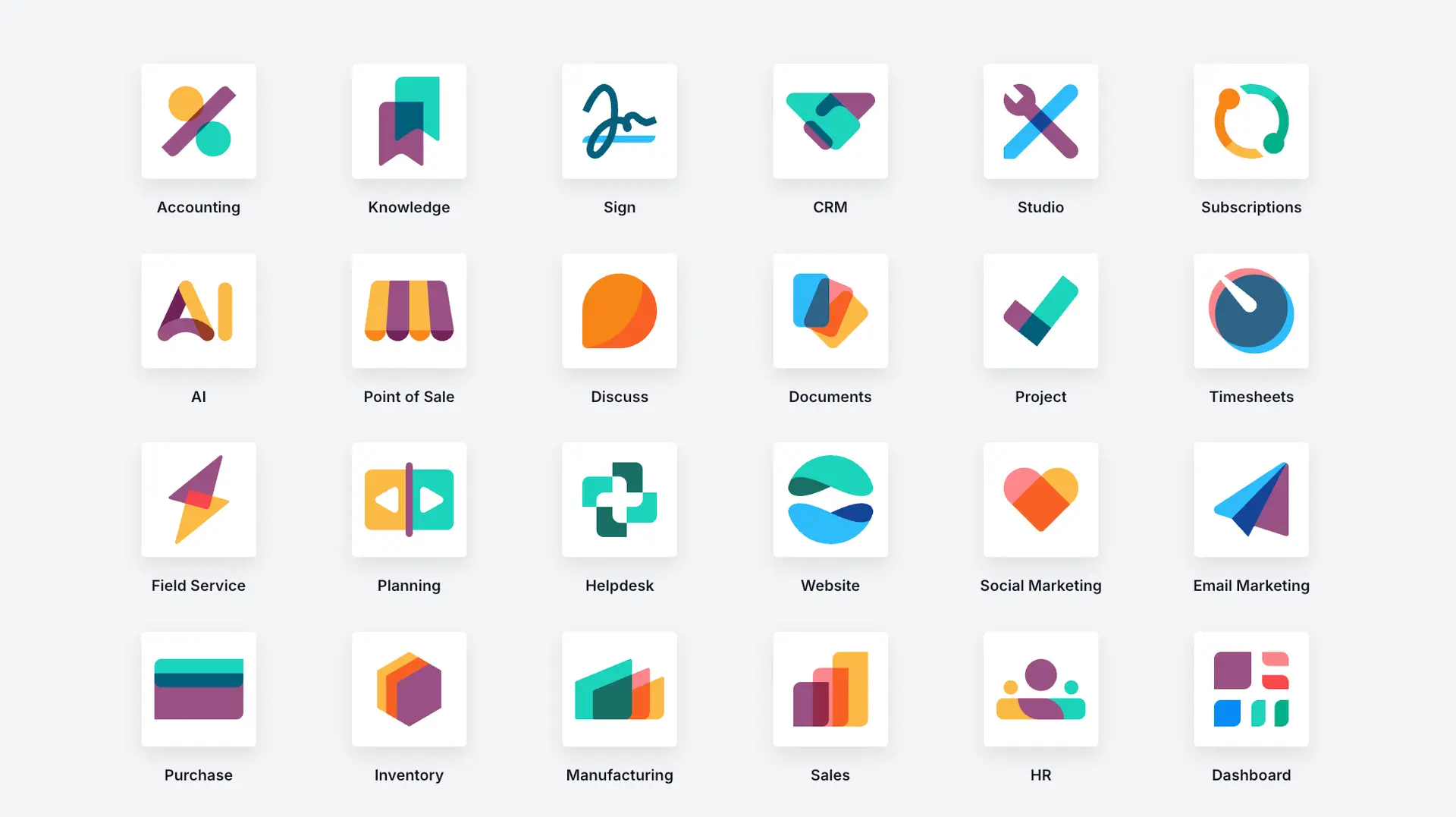
Odoo's modular architecture is built for the workflow-by-workflow approach — each module is a self-contained workflow you deploy, learn from, and build on.
We have helped organisations move off legacy systems without rebuilding everything, starting with a single workflow and expanding from there.


Identify your starting workflow
Book a 30-minute workflow assessment with our team. We will help you find the single workflow that, if it ran better tomorrow, your people would notice — and scope what it takes to deliver it.
Explore Our Articles
Discover more insights on how you can transform your business.
